
Missing a tooth can affect much more than your smile. It may make chewing uncomfortable, change the way you speak, and leave you feeling less confident in social situations. If you have been avoiding certain foods or hiding your smile because of missing teeth, you may be wondering whether there is a comfortable, long-lasting way to restore it.
The good news is that modern dental implants in Asheville offer a reliable solution for many people with missing teeth. With proper planning, effective anesthesia, and careful treatment, the implant process can be more comfortable than many patients expect.
Dental implants are designed to replace missing tooth roots and support natural-looking replacement teeth. They can help restore chewing function, support jawbone health, and give you a smile that feels more complete.
In this guide, you will learn how dental implants work, why the procedure may be more comfortable than expected, who can benefit, and what to consider before choosing treatment.
Why Missing Teeth Should Not Be Ignored
Losing a tooth is not only a cosmetic concern. It can also affect how your mouth functions over time.
Your natural teeth work together to help you bite, chew, and speak. When a tooth is missing, the surrounding teeth and supporting structures may gradually change.
Some common problems associated with missing teeth include:
- Difficulty chewing: Certain foods may become harder to bite or chew comfortably.
- Shifting teeth: Nearby teeth may move into the empty space, affecting your bite.
- Jawbone changes: The bone beneath a missing tooth may gradually shrink because it no longer receives stimulation from the tooth root.
- Changes in facial appearance: Significant tooth loss and bone changes can contribute to a sunken facial appearance.
- Reduced confidence: Missing teeth may make you uncomfortable smiling, speaking, or meeting new people.
The longer a missing tooth remains untreated, the more your oral structures may change. Replacing it can help restore function and reduce some of these concerns.
Why Are Dental Implants More Comfortable Than You Might Expect?
The thought of dental surgery can make anyone nervous. However, modern implant dentistry uses careful planning, local anesthesia, and advanced techniques to make treatment more manageable.
Here are some reasons why many patients find the experience easier than expected.
1. Local Anesthesia Helps Manage Discomfort
During implant placement, your dentist uses local anesthesia to numb the treatment area. This helps prevent pain during the procedure.
You may notice pressure or movement, but you should not feel sharp pain. If you experience discomfort, let your dental provider know so they can address it.
For patients who feel anxious about dental treatment, discussing comfort options before the procedure can also help reduce stress.
2. Implant Placement Is Carefully Planned
Dental implant treatment begins with an evaluation of your teeth, gums, and jawbone.
Your dentist may use digital imaging or other diagnostic tools to assess the available bone and determine the appropriate implant position.
Careful planning helps guide the procedure and supports predictable placement.
3. Recovery Discomfort Is Usually Manageable
After implant placement, it is normal to experience some tenderness, swelling, or minor bleeding.
These symptoms generally improve as the area heals. Your dentist may recommend appropriate pain medication, cold compresses, and temporary dietary changes to support recovery.
Following post-operative instructions is important for a comfortable healing process.
4. The Final Tooth Is Designed for Everyday Function
Once the implant has healed and integrated with the jawbone, it can support a dental crown, bridge, or other suitable restoration.
The replacement tooth is designed to look natural and help you return to everyday activities such as eating, speaking, and smiling.
Although every patient’s experience is different, proper planning and follow-up care can make implant treatment more comfortable and manageable.
What Are Dental Implants and How Do They Work?
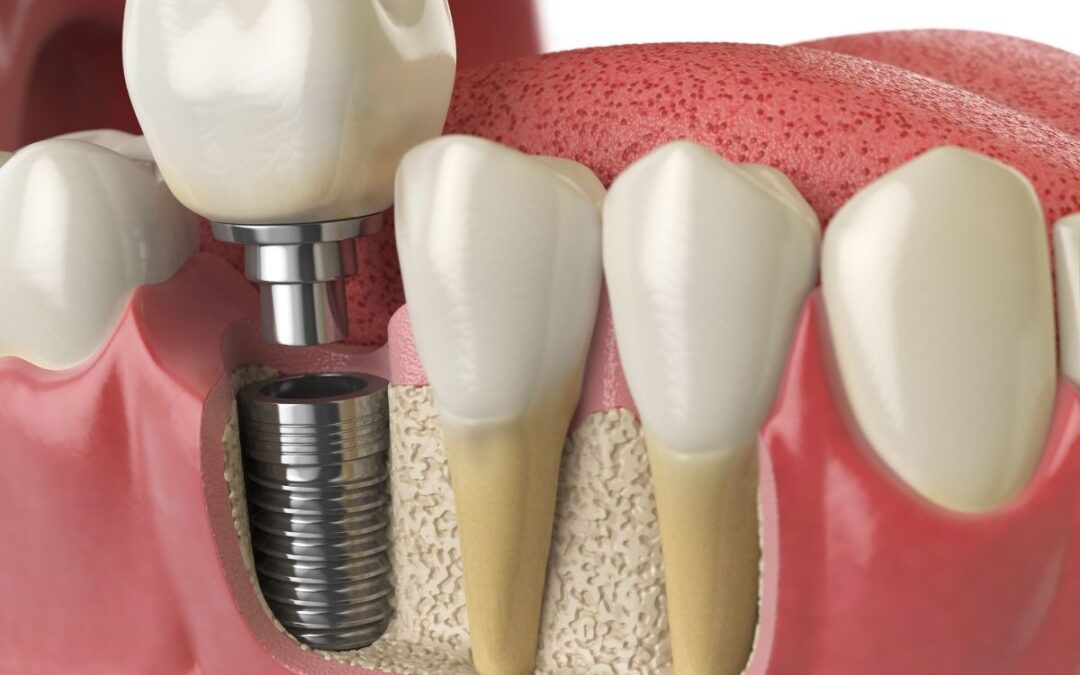
A dental implant is a small post, usually made of titanium, that is placed into the jawbone to replace the root of a missing tooth. It creates a stable foundation for a replacement tooth.
A complete dental implant restoration usually includes three main parts:
- Implant post: The part placed in the jawbone to act as an artificial tooth root.
- Abutment: A connector that attaches the replacement tooth to the implant.
- Dental crown: The visible replacement tooth, designed to match the appearance and function of natural teeth.
How Does the Dental Implant Process Work?
Although every treatment plan is different, the process generally involves several stages.
Step 1: Initial consultation and examination
Your dentist evaluates your oral health, examines your gums, and checks whether your jawbone can support an implant. Digital images or dental X-rays may be recommended to assess the treatment area.
Step 2: Implant placement
The implant post is surgically placed into the jawbone under local anesthesia. Additional comfort options may be discussed based on your needs and the type of procedure.
Step 3: Healing and bone integration
Over the next several months, the jawbone gradually grows around the implant. This process is called osseointegration. It helps create a stable foundation for the replacement tooth.
Step 4: Attaching the replacement tooth
Once the implant has healed sufficiently, an abutment and custom-made crown, bridge, or denture can be attached, depending on your treatment plan.
Not every patient follows the same timeline. Some cases may require bone grafting or additional healing before the final restoration is placed.
Who Is a Good Candidate for Dental Implants?
Dental implants can help adults who have lost one or more teeth and want a stable replacement option. However, your oral health and overall medical condition play an important role in determining whether treatment is appropriate.
You may be a suitable candidate if you:
- Have one or more missing teeth.
- Have healthy gums or are willing to treat existing gum disease first.
- Have enough jawbone to support an implant or can undergo bone grafting if needed.
- Are in good general health.
- Can maintain daily oral hygiene and attend regular dental visits.
- Do not use tobacco, or are willing to discuss the effects of tobacco on healing.
Certain health conditions and medications may affect healing and implant success. For example, uncontrolled diabetes, active gum disease, and smoking can increase the risk of complications.
Age alone does not determine whether someone can receive dental implants. A thorough dental examination is the best way to understand your options.
What Are the Biggest Benefits of Dental Implants?
Dental implants offer several benefits beyond improving the appearance of your smile.
1. A natural-looking smile
A custom-made crown is designed to blend with your surrounding teeth. This can help restore a more complete and natural-looking smile.
2. Improved chewing function
Implants provide a stable foundation for replacement teeth. Once treatment is complete, many patients can enjoy a wider range of foods without the movement sometimes associated with removable dentures.
3. Support for jawbone health
When a natural tooth is lost, the bone beneath it can gradually shrink. An implant transfers chewing forces to the jawbone and can help reduce bone loss in the area.
4. No need to reshape neighboring healthy teeth
Unlike a traditional tooth-supported bridge, a single-tooth implant generally does not require reshaping the adjacent teeth to support the replacement.
5. A long-term tooth replacement option
With proper placement, daily cleaning, and regular dental care, implants can provide long-lasting tooth replacement. However, they are not maintenance-free, and complications can occur.
Are There Any Risks or Disadvantages of Dental Implants?
Dental implants have many benefits, but it is important to understand that the procedure involves surgery and is not risk-free.
Possible complications include:
- Swelling, bruising, and discomfort after surgery.
- Infection around the implant.
- Delayed healing or failure of the implant to integrate with the jawbone.
- Injury to nearby nerves, teeth, or surrounding structures.
- Sinus-related complications in certain upper-jaw cases.
- Inflammation or bone loss around an implant over time.
Some patients may also need additional procedures, such as bone grafting, before implant placement.
Your dentist should review your medical history, explain the possible risks, and discuss alternative treatments before you make a decision.
Dental Implants in Asheville: Where Can You Explore Your Options?
Choosing a dental practice for tooth replacement involves more than finding a treatment. You want a dental team that listens to your concerns, explains the available options, and considers your comfort throughout the process.
At Asheville Dental Wellness, implant treatment is included among the practice’s restorative dentistry services. The practice emphasizes a relaxed, caring environment and uses modern dental technology to support patient care.
During your consultation, you can discuss:
- Whether dental implants are appropriate for your missing teeth.
- The condition of your gums and jawbone.
- Whether bone grafting or other preparatory treatment may be necessary.
- The expected treatment timeline and healing process.
- Whether an implant, dental bridge, or denture better meets your needs.
Patients from Asheville and nearby communities can contact the practice to learn more about restorative treatment options.
If you are looking for a dentist in Asheville, consider scheduling an evaluation to discuss your concerns and understand which tooth replacement solution may work best for your smile.
Ready to Restore Your Smile With Dental Implants?
Missing teeth should not prevent you from enjoying your favorite foods, speaking comfortably, or smiling with confidence.
Modern implant dentistry offers a long-term way to replace missing teeth while supporting everyday oral function. And with proper planning, anesthesia, and follow-up care, the experience may be more comfortable than you initially expect.
If you are considering dental implants in Asheville, contact Asheville Dental Wellness at (828) 274-4747 to discuss your tooth replacement options and schedule a consultation.
Take the first step toward a healthier, more complete smile. A professional evaluation can help you understand your choices, plan your treatment, and move forward with confidence.
Frequently Asked Questions About Dental Implants
1. Are dental implants painful?
During implant placement, local anesthesia is used to numb the treatment area. You may feel pressure during the procedure, but sharp pain should not be expected. Some tenderness, swelling, and discomfort are common afterward and can usually be managed with appropriate care.
2. How long does it take to get dental implants?
The complete process can take several months. The timeline depends on your bone health, healing response, and whether additional procedures, such as bone grafting, are needed before the final crown or restoration can be attached.
3. How long do dental implants last?
Dental implants can last many years with proper care. Their longevity depends on factors such as oral hygiene, general health, smoking habits, and regular dental maintenance. The implant restoration, including the crown, may need repair or replacement over time.
4. Can I get dental implants if I have bone loss?
Yes, some patients with jawbone loss may still be candidates. A bone grafting procedure may help rebuild the area and create enough support for implant placement. Your dentist can evaluate your bone structure and discuss possible treatment options.
5. Are dental implants better than dentures?
Dental implants provide a fixed replacement option, while traditional dentures are removable. Implants can offer greater stability and help support the jawbone. However, dentures may be more appropriate for certain patients. The right option depends on your oral health, preferences, and treatment needs.
6. Can dental implants replace multiple missing teeth?
Yes. Dental implants can replace one tooth, several teeth, or support a full-arch restoration. Depending on your needs, multiple implants may support a dental bridge or implant-supported denture.
7. How do I care for dental implants after treatment?
Brush twice daily, clean between your teeth and around the implant, and attend regular dental checkups. Your dentist may recommend special cleaning tools to help maintain healthy gum tissue around the implant.
8. Am I too old to get dental implants?
Age alone is not a barrier to dental implant treatment. Your general health, jawbone condition, gum health, and ability to heal are more important factors. A dental evaluation can help determine whether implants are appropriate for you.
Medical Disclaimer – This article is intended for general educational purposes only and should not replace professional dental advice, diagnosis, or treatment. Dental implant suitability, treatment timelines, and results vary between individuals. Consult a qualified dental professional to discuss your oral health and available treatment options.