
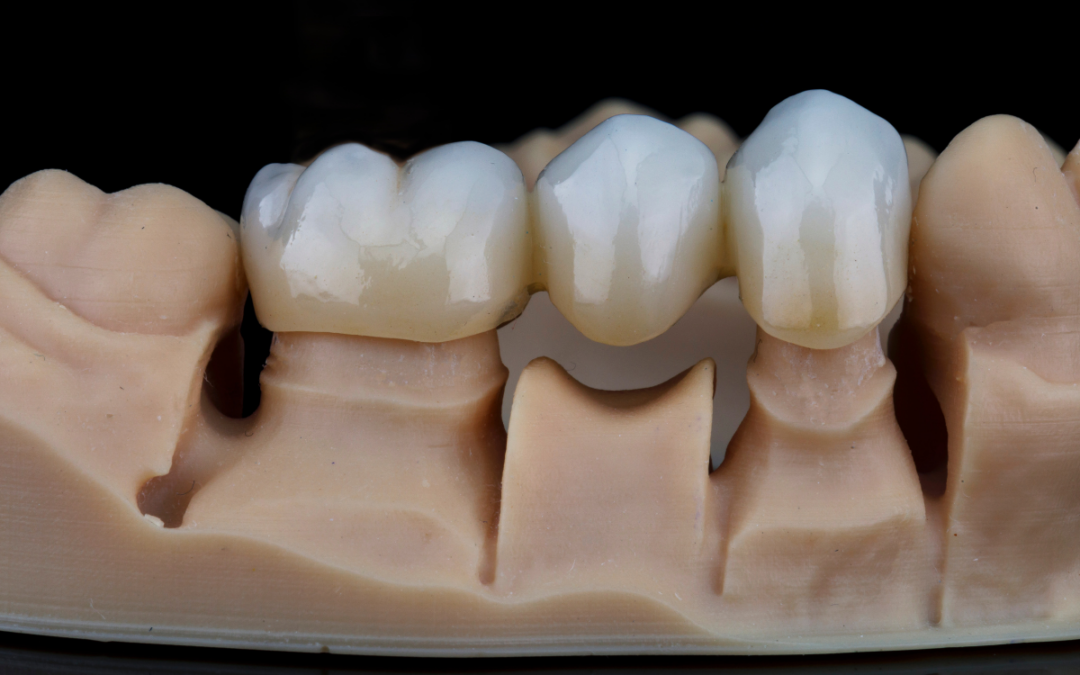
A cracked tooth, deep cavity, or weakened tooth can make everyday activities like eating, drinking, and smiling uncomfortable. You may try to ignore the problem, but damaged teeth rarely get better on their own. The good news is that a dental crown can help protect a weakened tooth, restore its shape, and bring back its natural function.
If you are researching dental crowns in Asheville, understanding how this treatment works can help you make a confident decision about your oral health.
Dental crowns are custom-made restorations that fit over damaged or weakened teeth. They act like protective covers, helping restore strength, improve appearance, and support normal chewing. With proper care, a dental crown can last for many years.
In this guide, we will explain what dental crowns are, when you may need one, the different types available, what happens during treatment, and how to care for your restored tooth.
What Is a Dental Crown?
A dental crown is a custom-made cap that covers the visible portion of a damaged or weakened tooth. It restores the tooth’s shape, size, strength, and appearance.
Think of it as a protective shield for a tooth that can no longer function comfortably or safely on its own.
Crowns are designed to fit your bite and blend with your natural teeth. Depending on the material selected, they can also provide a natural-looking appearance.
Unlike a dental filling, which repairs a smaller area of damage, a crown covers most or all of the visible tooth above the gumline.
Your dentist may recommend one when a tooth needs more support than a regular filling can provide.
Why Might You Need a Dental Crown?
Not every damaged tooth needs a crown. However, when a tooth has lost significant structure or become weak, a crown may help protect it from further damage.
Here are some common reasons your dentist may recommend this treatment.
1. A Large Cavity Has Weakened Your Tooth
When tooth decay affects a large portion of a tooth, there may not be enough healthy structure left to support a regular filling.
A crown covers the remaining tooth and helps restore its strength and chewing function.
2. Your Tooth Is Cracked or Fractured
A cracked tooth can cause pain when biting or chewing. Depending on the depth and location of the crack, a crown may help hold the remaining tooth structure together and reduce the risk of further damage.
However, a tooth with a severe fracture extending below the gumline may require a different treatment.
3. You Have Undergone Root Canal Treatment
Root canal treatment removes infected or inflamed tissue from inside a tooth. Afterward, some teeth may have less remaining structure and need additional protection.
A crown is often recommended for back teeth treated with a root canal because they experience strong chewing forces. Whether a crown is needed depends on the amount of remaining tooth structure and the tooth’s location.
4. You Have a Worn-Down or Weak Tooth
Grinding, clenching, and long-term wear can gradually weaken your teeth. A crown may help restore the tooth’s original shape and protect the remaining structure.
5. You Need to Replace an Existing Crown
Dental crowns do not last forever. Over time, they may become worn, damaged, loose, or affected by decay around the edges.
Your dentist can examine the existing restoration and determine whether it needs repair or replacement.
What Happens If You Ignore a Damaged Tooth?
A small dental problem can become more complicated when left untreated.
For example, a minor crack may extend deeper into the tooth, while untreated decay can continue damaging the inner structures.
Possible consequences include:
- Increasing tooth sensitivity and discomfort.
- Further cracking or breaking of the tooth.
- Infection reaching the dental pulp.
- Difficulty chewing comfortably.
- The need for more extensive dental treatment.
- Tooth loss in severe cases.
Not every damaged tooth will develop these problems, but early evaluation can help identify the right treatment before the condition worsens.
If you experience persistent pain, swelling, or discomfort when biting, arrange a dental examination rather than waiting for the symptoms to disappear.
What Are the Different Types of Dental Crowns?
Dental crowns are available in several materials. The right option depends on the tooth’s location, your bite, cosmetic goals, and dental needs.
1. Porcelain and Ceramic Crowns
Porcelain and ceramic crowns are popular options for visible teeth because they can closely match the color and appearance of natural enamel.
Best for: Front teeth and patients who want a natural-looking restoration.
Benefits: Good aesthetics, no metal components, and the ability to blend with surrounding teeth.
2. Zirconia Crowns
Zirconia is a strong ceramic material used in dental restorations. It can provide a combination of strength and natural appearance.
Best for: Patients who need a durable restoration, including certain back teeth.
Benefits: High strength, good wear resistance, and a metal-free design.
3. Porcelain-Fused-to-Metal Crowns
These crowns combine a metal base with a porcelain outer layer.
Best for: Certain teeth that require both structural support and a tooth-colored appearance.
Benefits: A strong underlying structure with a porcelain surface.
4. Metal Crowns
Metal crowns are made from dental alloys and are known for their durability.
Best for: Back teeth where appearance is less important.
Benefits: High strength and resistance to chipping.
Your dentist can explain which material is most suitable for your specific tooth.
What Happens During a Dental Crown Procedure?
Getting a dental crown usually involves an examination, tooth preparation, and placement of the final restoration. The exact process depends on the condition of your tooth and the type of crown selected.
Here is what you can generally expect.
Step 1: Dental Examination
Your dentist examines the affected tooth and surrounding gums. Dental X-rays may be taken to check for decay, infection, or damage beneath the visible surface.
This helps determine whether a crown is the right treatment or whether another procedure is needed first.
Step 2: Tooth Preparation
The affected tooth is numbed with local anesthesia to help keep you comfortable. Your dentist then removes damaged areas and reshapes the tooth so the crown can fit securely.
If the tooth needs additional support, a filling material may be used to rebuild part of its structure.
Step 3: Digital Impressions
Your dentist records the shape of your prepared tooth and surrounding teeth. This information helps create a crown that fits your bite and matches your smile.
Digital scanning can make this step more comfortable by reducing the need for traditional impression materials.
Step 4: Temporary Crown Placement
If your permanent crown is being made by a dental laboratory, a temporary crown may be placed to protect the prepared tooth while you wait.
You should avoid hard or sticky foods that could loosen or damage the temporary restoration.
Step 5: Final Crown Placement
Once your permanent crown is ready, your dentist checks its shape, color, and fit. After making any needed adjustments, the crown is bonded or cemented into place.
Your dentist also checks your bite to make sure the restored tooth feels comfortable when you close your mouth.
Are Dental Crowns Painful? What Is Recovery Like?
Many patients feel nervous about getting a crown, especially if they have experienced dental discomfort before.
The good news is that local anesthesia helps numb the tooth during preparation. You may feel pressure or vibration, but the procedure should not be painful. Tell your dentist if you experience discomfort.
After treatment, you may notice:
- Mild sensitivity to hot or cold foods.
- Tenderness around the treated tooth.
- Slight gum irritation.
- Temporary discomfort when biting.
These symptoms often improve within days, although some sensitivity may last longer. Contact your dentist if you experience severe pain, a crown that feels too high, swelling, or symptoms that worsen instead of improving.
How Long Do Dental Crowns Last?
Dental crowns commonly last around 5 to 15 years, although some may last longer with proper care.
Their lifespan depends on several factors:
- The crown material.
- Your biting and chewing habits.
- Daily brushing and flossing.
- Teeth grinding or clenching.
- The health of the tooth underneath the crown.
- Regular dental examinations.
A crown cannot develop a cavity, but the natural tooth underneath it can still decay. That is why cleaning around the crown and along the gumline is essential.
How Should You Care for a Dental Crown?
Good oral hygiene helps protect both your crown and the natural tooth supporting it.
Follow these simple habits:
1. Brush twice daily using fluoride toothpaste.
2. Floss once a day around the crown and neighboring teeth.
3. Avoid chewing ice, hard candy, and other extremely hard objects.
4. Limit sticky foods that may pull on a restoration.
5. Wear a nightguard if your dentist recommends one for grinding.
6. Schedule regular dental examinations and professional cleanings.
If your crown becomes loose, chipped, or damaged, contact your dentist. Do not attempt to repair it with household glue.
How Can Asheville Dental Wellness Help Restore Your Tooth?
Choosing the right dental practice matters when you need to protect a weakened tooth. You want a team that takes time to understand your concerns, explains your options, and helps you make an informed decision.
Asheville Dental Wellness includes crowns in its restorative dentistry services and uses iTero digital scans to capture dental impressions for restorations. Its approach also emphasizes patient comfort and clear communication about treatment options.
If you are searching for a dentist in Asheville, a consultation can help you understand whether a crown, filling, inlay, or another restoration is appropriate.
Protect Your Smile With the Right Dental Crown
A damaged or weakened tooth does not have to affect your ability to eat, speak, and smile comfortably. A dental crown can restore strength, protect remaining tooth structure, and improve the appearance of your smile.
If you are considering dental crowns in Asheville, contact Asheville Dental Wellness at (828) 274-4747 to discuss your concerns and schedule a dental evaluation.
Addressing tooth damage early may help prevent more extensive problems later. Take the next step toward protecting your natural teeth and maintaining a healthy, confident smile.
Frequently Asked Questions About Dental Crowns
1. How do I know if I need a dental crown?
You may need a crown if you have a severely decayed, cracked, broken, or weakened tooth. Your dentist can examine the tooth and determine whether a crown or another restoration is appropriate.
2. How long does it take to get a dental crown?
Traditional crown treatment usually requires two appointments. The first involves preparing the tooth and taking impressions, while the second involves placing the permanent crown. The time between visits depends on laboratory production and your treatment needs.
3. Can a dental crown look like a natural tooth?
Yes. Porcelain and ceramic crowns can be customized to match the color, shape, and size of your surrounding teeth. This helps create a natural-looking restoration.
4. Can I eat normally after getting a dental crown?
You can generally return to your normal diet after your permanent crown is placed and any initial sensitivity has improved. Avoid hard and sticky foods, especially while wearing a temporary crown.
5. What happens if my dental crown falls out?
Contact your dentist as soon as possible. Keep the crown in a safe place and avoid chewing on the affected tooth. Do not use household glue to put it back. Your dentist will determine whether it can be recemented or needs replacement.
6. Is a dental crown better than a filling?
It depends on how much of the natural tooth remains. Fillings work well for smaller areas of decay, while crowns provide coverage and support for teeth with more extensive damage.
7. Can a tooth underneath a crown still get a cavity?
Yes. The natural tooth underneath a crown can still develop decay, particularly around the crown’s edges. Brushing, flossing, and regular dental examinations help reduce this risk.
8. Do dental crowns require special maintenance?
Dental crowns do not require complicated maintenance. Brush twice daily, floss every day, avoid habits that can damage restorations, and visit your dentist regularly to monitor the crown and supporting tooth.
Medical Disclaimer – This article is intended for general educational purposes only and should not replace professional dental advice, diagnosis, or treatment. Dental crown materials, treatment recommendations, and results vary depending on individual oral health needs. Consult a qualified dental professional before choosing a restorative procedure.