
Missing teeth can affect much more than your appearance. You may avoid certain foods, feel uncomfortable speaking, or hide your smile in photos. If you have been living with one or more missing teeth, you may wonder whether there is a lasting way to restore your smile.
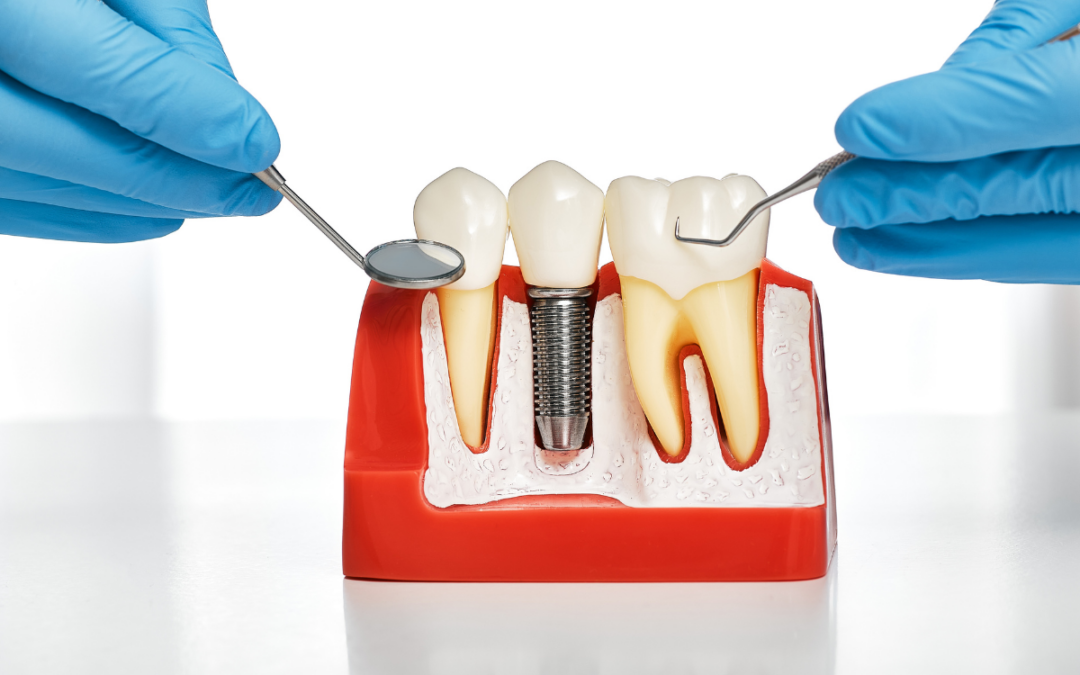
The good news is that many adults may be candidates for dental implants Asheville patients use to replace missing teeth. Dental implants are designed to act like artificial tooth roots and support replacement teeth that look and function much like natural ones. However, candidacy depends on more than having a gap in your smile. Your gum health, jawbone, general health, and daily habits all matter.
Understanding these factors can help you decide whether dental implants are worth discussing with your dentist.
Why Do Missing Teeth Need Attention?
A missing tooth can change how your mouth works. Nearby teeth may begin shifting into the open space, which can affect your bite and make cleaning between teeth more difficult.
The jawbone also needs regular stimulation from tooth roots. After a tooth is lost, the bone in that area may gradually shrink. This can change the shape of the gumline and make future tooth replacement more complex.
Other possible effects include:
- Difficulty chewing certain foods
- Changes in speech, depending on the location of the gap
- Shifting or crowding of nearby teeth
- Changes in bite alignment
- Reduced confidence when smiling
- Gradual jawbone loss in the area of the missing tooth
Replacing a missing tooth can help restore function and support a balanced smile. Dental implants are one option, but the right solution depends on your individual needs.
Who Is a Good Candidate for Dental Implants?
Many adults with missing teeth can be considered for implant treatment. The best candidates generally have healthy gums, enough jawbone to support the implant, and overall health that allows them to heal after a procedure.
Here are the main factors a dentist will evaluate.
1. You Have One or More Missing Teeth
Dental implants can replace a single missing tooth, several missing teeth, or support a full-arch restoration in appropriate cases.
If you lost a tooth because of decay, gum disease, an injury, or another dental problem, an implant may be an option. Your dentist will first evaluate the condition of the surrounding teeth and tissues to determine the best approach.
2. Your Gums Are Healthy
Healthy gum tissue helps provide a stable environment around a dental implant. Active gum disease can increase the risk of inflammation and complications after implant placement.
If you have bleeding gums, swelling, gum recession, or a history of periodontal disease, that does not necessarily mean implants are impossible. Your dentist may recommend treating and stabilizing your gum health before moving forward.
Keeping your gums healthy after treatment is also important for protecting the implant and surrounding bone.
3. You Have Enough Jawbone Support
A dental implant is placed in the jawbone, where it gradually bonds with the surrounding bone through a process called osseointegration.
For this reason, your dentist needs to evaluate the amount and quality of bone available at the planned implant site. If a tooth has been missing for a long time, some bone loss may have occurred.
However, limited bone does not always mean you cannot receive an implant. Depending on your condition, a bone graft or another preparatory procedure may help create a better foundation.
4. Your General Health Supports Healing
Dental implant placement involves a surgical procedure, so your overall health and ability to heal are important.
Your dentist will review your medical history, medications, and health conditions. Well-controlled conditions such as diabetes or high blood pressure do not automatically prevent implant treatment, but they may require additional planning.
Be sure to discuss any history of cancer treatment, immune system concerns, bone-related conditions, or medications that may affect healing. Never stop or change prescribed medication without speaking with the clinician who manages it.
5. You Are Ready to Maintain Your Oral Health
Dental implants are not immune to problems. Plaque can build up around them, and the surrounding gum tissue can become inflamed.
Long-term care includes:
- Brushing twice daily with a soft-bristled toothbrush
- Cleaning between teeth and around the implant every day
- Attending regular dental examinations
- Following professional cleaning recommendations
- Avoiding tobacco products
- Reporting pain, swelling, or changes around the implant
Patients who are willing to maintain these habits are better prepared to protect their investment in their oral health.
What Factors Can Affect Dental Implant Candidacy?
Some conditions and habits may increase the risk of complications or make treatment more complex. These include:
Smoking or tobacco use: Tobacco can interfere with healing and increase the risk of implant complications.
Uncontrolled diabetes: Poor blood sugar control can affect healing and increase infection risk.
Untreated gum disease: Active periodontal infection should generally be addressed before implant placement.
Certain medications: Some medicines can affect bone healing or surgical planning.
Teeth grinding: Clenching or grinding may place extra pressure on an implant restoration.
These factors do not all have the same effect, and some can be managed before treatment. An individualized evaluation is the best way to understand your options.
What Happens During a Dental Implant Consultation?
A consultation helps determine whether implants are appropriate and what treatment may be needed before placement.
Your dentist may:
1. Review your dental and medical history: This includes previous dental work, medications, health conditions, and tobacco use.
2. Examine your mouth: Your dentist checks your gums, remaining teeth, bite, and the area where the tooth is missing.
3. Evaluate your jawbone: Dental imaging helps assess the bone and nearby structures.
4. Discuss your options: You can learn whether a single implant, multiple implants, or another restoration may suit your needs.
5. Create a treatment plan: If you are a candidate, the plan may include implant placement, healing time, and the final crown or other restoration.
The healing period varies from patient to patient. The implant needs time to bond with the jawbone before the final restoration can be attached in many treatment plans.
Explore Your Tooth Replacement Options With US
Choosing a tooth replacement option starts with understanding your oral health and personal goals. Asheville Dental Wellness provides restorative dental services, including implants, and uses digital technology such as iTero scans to support treatment planning.
The practice takes time to explain treatment options and help patients understand their care. Whether you are missing one tooth or need to discuss a more extensive restoration, an evaluation can help clarify the next steps.
Take the First Step Toward Restoring Your Smile
You do not have to assume that missing teeth or a history of dental problems makes implants impossible. Many people who initially have concerns about bone loss, gum health, or medical conditions may still have options after an appropriate evaluation.
If you are considering dental implants in Asheville, contact Asheville Dental Wellness at (828) 274-4747 to schedule a consultation. You can discuss your concerns, learn whether implants may fit your needs, and explore a treatment plan designed around your oral health. Getting answers now can help you make a more confident decision about your smile.
Frequently Asked Questions
1. How do I know if I am a good candidate for dental implants?
You may be a candidate if you have one or more missing teeth, healthy or treatable gums, enough jawbone support, and overall health that allows you to heal. A dental examination and appropriate imaging are needed to confirm your eligibility.
2. Can I get dental implants if I have bone loss?
Possibly. Bone loss does not automatically rule out implant treatment. Depending on the amount and location of the missing bone, a dentist may recommend bone grafting or another procedure before placing an implant.
3. Can people with diabetes get dental implants?
Many people with well-controlled diabetes can receive dental implants. However, uncontrolled blood sugar can affect healing and increase the risk of infection. Your dentist may need to review your medical history and coordinate with your physician.
4. Is there an age limit for dental implants?
There is no single upper age limit for dental implants. Overall health, jawbone development, gum condition, and the ability to heal are more important than age alone. Implants are generally not placed until jaw growth is complete.
5. Can smokers get dental implants?
Some smokers may still be candidates, but smoking increases the risk of healing problems and implant complications. Your dentist can discuss the risks and recommend steps to reduce them before and after treatment.
6. Can I get dental implants if I have gum disease?
Active gum disease should generally be treated before implant placement. Once the condition is controlled, your dentist can evaluate whether your gums and supporting bone are healthy enough for treatment.
7. How long does dental implant treatment take?
The timeline varies based on your oral health, whether bone grafting is needed, and how quickly the implant bonds with the jawbone. Some patients need several months between implant placement and the final restoration.
8. Are dental implants better than dentures or bridges?
Each option has benefits and limitations. Implants are placed in the jawbone and do not rely on neighboring teeth for support in the same way as a traditional bridge. Dentures and bridges may be more appropriate for some patients. Your dentist can compare the options based on your needs, health, and goals.
Medical Disclaimer: This article is for general educational purposes only and does not replace professional dental advice, diagnosis, or treatment. Dental implant candidacy and outcomes vary by patient. Consult a licensed dental professional for an examination and personalized recommendations.