
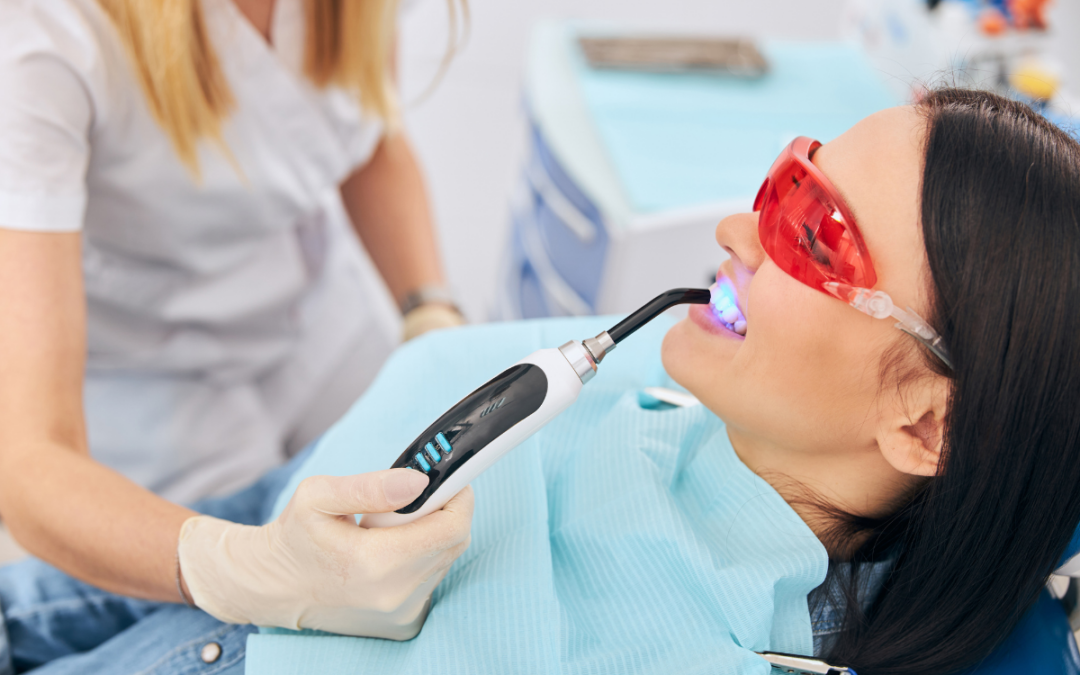
A brighter smile can make you feel more confident in photos, at social events, and during everyday conversations. But if your teeth have become yellow, stained, or dull over time, you may wonder whether professional teeth whitening can help. The good news is that many adults with healthy teeth and gums can benefit from this treatment.
However, teeth whitening is not right for everyone. Your dental health, the type of discoloration, and the condition of your teeth all play an important role. Consulting a cosmetic dentist in Asheville can help you understand whether whitening is a suitable option and what results you can realistically expect.
At Asheville Dental Wellness, patients can explore cosmetic treatments designed to improve the appearance of their smiles. Before choosing a whitening treatment, let’s look at who makes a good candidate, who should wait, and how professional dental care can help you achieve a brighter smile safely.
Why Do Teeth Become Yellow or Discolored?
Even with regular brushing and flossing, teeth can lose their natural brightness over time. Tooth discoloration is common and can happen for several reasons.
Understanding the cause of your stains is important because not every type of discoloration responds to whitening in the same way.
Some common causes include:
- Coffee and tea: Regular consumption can leave surface stains that gradually darken your teeth.
- Red wine and dark-colored foods: Berries, tomato sauces, and other deeply pigmented foods can contribute to staining.
- Tobacco use: Smoking and other tobacco products can cause noticeable yellow or brown stains.
- Aging: As you get older, enamel naturally becomes thinner, allowing the darker dentin underneath to show through.
- Certain medications: Some medications, particularly certain antibiotics taken during tooth development, can cause deeper discoloration.
- Poor oral hygiene: Inadequate brushing and flossing can allow plaque and stain-causing substances to build up.
The important thing to remember is that tooth discoloration does not always mean your teeth are unhealthy. Sometimes, it is simply a cosmetic concern that can be addressed with the right dental treatment.
Who Is a Good Candidate for Professional Teeth Whitening?
Professional teeth whitening works best for people who have healthy teeth and gums and want to improve the appearance of natural tooth discoloration.
Here are some signs that you may be a suitable candidate.
1. You Have Healthy Teeth and Gums
Good oral health is the starting point for any cosmetic dental treatment. If you have healthy enamel, no untreated cavities, and healthy gums, you may be ready for professional whitening.
However, existing dental problems should be addressed first. Cavities, gum inflammation, and exposed tooth roots can increase discomfort during whitening.
A dental examination helps identify these concerns before treatment begins.
2. Your Teeth Have Yellow or Surface Stains
Yellowish discoloration caused by coffee, tea, tobacco, or aging often responds well to professional whitening.
Whitening products use peroxide-based ingredients to break down stain molecules within natural tooth enamel. This can make your teeth appear several shades brighter, depending on the original color and type of staining.
Surface stains may also improve with a professional dental cleaning.
3. You Want to Improve Your Smile Without Dental Surgery
Are you looking for a simple way to improve your smile without undergoing an invasive procedure?
Teeth whitening may be a good option. Unlike veneers or crowns, whitening does not require removing healthy tooth structure.
It is a cosmetic treatment focused on changing the color of natural teeth rather than changing their shape or structure.
4. You Have Realistic Expectations
Professional whitening can noticeably improve tooth color, but it cannot guarantee a perfectly white smile.
Your results depend on several factors, including:
- Your natural tooth shade.
- The type and depth of discoloration.
- Your enamel condition.
- Your response to the whitening treatment.
- Your daily habits after treatment.
If you understand these limitations and want a natural-looking improvement, whitening may be worth considering.
5. You Want a Brighter Smile for an Upcoming Event
Planning a wedding, graduation, family celebration, or professional event?
A brighter smile can help you feel more comfortable and confident in photographs and social situations.
If you have an upcoming event, speak with your dentist early. This gives you time to evaluate your teeth, address any dental concerns, and choose an appropriate treatment schedule.
When Should You Avoid or Delay Teeth Whitening?
Although whitening is suitable for many adults, certain conditions may make it less effective or comfortable.
You may need to postpone treatment or consider another cosmetic option if you have:
- Untreated cavities: Whitening before treating decay may cause irritation or sensitivity.
- Active gum disease: Inflamed or infected gums should receive appropriate treatment first.
- Severe tooth sensitivity: Whitening may temporarily increase discomfort, especially if your enamel is worn or your teeth have exposed roots.
- Cracked or damaged teeth: Existing damage may allow whitening ingredients to reach sensitive inner tooth structures.
- Dental restorations: Crowns, veneers, fillings, and bonding do not change color with whitening products.
- Deep internal discoloration: Some stains caused by trauma, medication, or changes inside the tooth may not respond well to conventional whitening.
Pregnant or breastfeeding patients should also discuss whitening with their dental provider before starting treatment.
Important: Whitening is generally not recommended for children and young teenagers unless a dentist identifies a specific reason and recommends an appropriate approach.
The best way to determine whether whitening is safe is to have your teeth and gums examined first.
Why Professional Teeth Whitening Is Better Than Guesswork
Walking into a store and picking up a whitening kit may seem convenient. However, over-the-counter products are not designed around your individual dental condition.
A professional dental evaluation helps determine the cause of discoloration and whether whitening is the right solution.
Here is how professional guidance can make a difference:
- Personalized evaluation: Your dentist examines your teeth and gums to identify cavities, gum problems, existing restorations, and sensitivity concerns.
- Appropriate treatment selection: Different stains may require different approaches. Your dentist can recommend a suitable whitening option based on your dental needs.
- Better sensitivity management: Professional guidance helps reduce the risk of unnecessary irritation from improper product use or excessive whitening.
- Realistic result planning: Your dentist can explain what whitening may achieve and whether other cosmetic treatments might better address your concerns.
If whitening is not the right choice, treatments such as dental bonding or porcelain veneers may help improve certain types of discoloration.
How a Cosmetic Dentist in Asheville Can Help You Choose the Right Treatment
Choosing a whitening treatment should involve more than selecting a product based on its advertised results.
A dental professional considers your oral health, cosmetic goals, and the condition of your natural teeth before recommending treatment.
At Asheville Dental Wellness, cosmetic dentistry includes teeth whitening, bonding, and porcelain veneers. The practice also offers iTero digital scans, which support diagnostic and impression-related dental procedures.
During your consultation, you can discuss:
- What is causing your tooth discoloration.
- Whether your teeth and gums are healthy enough for whitening.
- Which cosmetic treatment may address your concerns.
- Whether existing crowns, fillings, or veneers could affect the final appearance.
- How to maintain your results after treatment.
If you have been searching for a cosmetic dentist near me, look for a dental practice that considers both your cosmetic goals and long-term oral health.
Patients from Asheville and nearby communities can contact the practice to discuss their smile goals and available cosmetic dentistry options.
How Can You Maintain Your Results After Teeth Whitening?
Professional whitening can improve your smile, but your daily habits influence how long the results last.
Follow these simple tips to maintain your brighter smile:
1. Brush twice daily: Use a fluoride toothpaste and a soft-bristled toothbrush.
2. Floss every day: Remove plaque and food particles between your teeth.
3. Limit stain-causing drinks: Reduce frequent consumption of coffee, tea, red wine, and dark sodas.
4. Rinse with water: After consuming staining foods or drinks, rinse your mouth with water.
5. Avoid tobacco: Tobacco products can quickly cause new stains.
6. Schedule regular dental cleanings: Professional cleanings help remove surface buildup and support healthy teeth and gums.
7. Follow your dentist’s instructions: Avoid excessive whitening or unnecessary repeat treatments.
You do not need to give up all your favorite foods and drinks. Being mindful of your habits and maintaining good oral hygiene can help preserve your results.
Ready to Find Out If Teeth Whitening Is Right for You?
You deserve to feel comfortable and confident when you smile. If yellow or stained teeth are making you hide your smile, professional whitening may offer a simple way to improve its appearance.
The first step is understanding what is causing your discoloration and whether your teeth are healthy enough for treatment.
At Asheville Dental Wellness, the team offers cosmetic dental services designed to help patients explore ways to enhance their smiles. Contact the office at (828) 274-4747 to schedule a consultation and discuss your options.
Don’t let uncertainty keep you from exploring a brighter smile. Speak with a dental professional and take the first step toward a smile you feel proud to share.
Frequently Asked Questions About Teeth Whitening
1. Who is the ideal candidate for professional teeth whitening?
Adults with healthy teeth and gums who have yellow or surface stains are generally good candidates. People with discoloration caused by coffee, tea, tobacco, or aging may see noticeable improvements. A dental examination is necessary to determine suitability.
2. Does teeth whitening work on all types of stains?
No. Whitening generally works best on many yellow and surface stains. Brown or gray discoloration, medication-related stains, and discoloration caused by dental trauma may be more difficult to treat. Your dentist can recommend an appropriate solution.
3. Can I whiten my teeth if I have sensitive teeth?
Possibly, but extra care is needed. Whitening may temporarily increase tooth sensitivity. Your dentist can evaluate the cause of your sensitivity and determine whether whitening is appropriate or whether the underlying problem should be treated first.
4. Can teeth whitening damage my enamel?
When used correctly and under appropriate dental guidance, professional whitening is generally considered safe for natural teeth. However, overusing whitening products or applying them incorrectly can cause sensitivity and gum irritation. Always follow your dentist’s recommendations.
5. How long do professional teeth whitening results last?
Results vary depending on your diet, oral hygiene, tobacco use, and natural tooth characteristics. Avoiding frequent exposure to staining substances and maintaining regular dental cleanings can help preserve your brighter smile.
6. Can I whiten my teeth if I have crowns or veneers?
Whitening products do not change the color of crowns, veneers, fillings, or dental bonding. If you have existing restorations, discuss your treatment goals with your dentist to avoid uneven tooth shades.
7. Is professional teeth whitening better than store-bought whitening kits?
Professional whitening offers the advantage of an individualized dental evaluation and treatment guidance. Store-bought products may help with certain surface stains, but they are not suitable for every patient. A dentist can help you choose an option based on your oral health and cosmetic goals.
8. How do I know if I need teeth whitening or veneers?
Whitening may be appropriate if your primary concern is tooth discoloration. Veneers may be a better option for certain deeper stains, chips, gaps, or shape concerns. Your dentist can evaluate your smile and explain which treatment best meets your needs.
Medical Disclaimer – This article is intended for general educational purposes only and should not replace professional dental advice, diagnosis, or treatment. Teeth whitening results and suitability vary from person to person. Consult a qualified dental professional before beginning any whitening treatment.